Review: Melinoe Font J to R for Craft Fairs
As I set up my table for the upcoming weekend craft fair, the pressure is always on to find that perfect balance between speed of production and high visual impact. My inventory usually consists of embroidered tote bags, aprons, tea towels, patches, caps, small pouches, pillow covers, and giftable handmade items. Today, I am evaluating a new Melinoe Font J to R machine embroidery design to see if it deserves a spot in my Back To School collection or as a staple for year-round personalized gifts. This review comes from the perspective of a designer who needs to know exactly how a font performs under the harsh lights of a market booth and in the hands of a customer.
First Impressions of the Melinoe Design Style
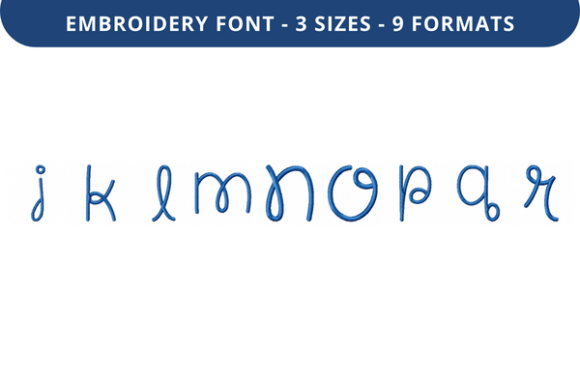
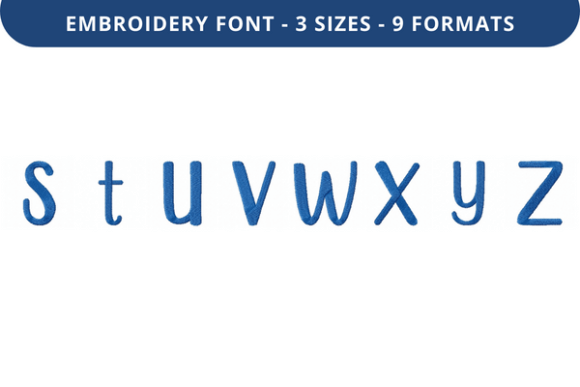
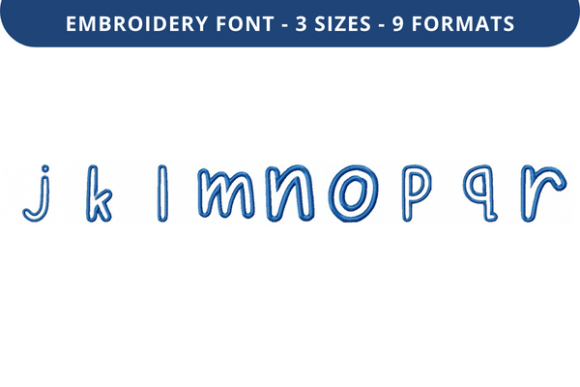
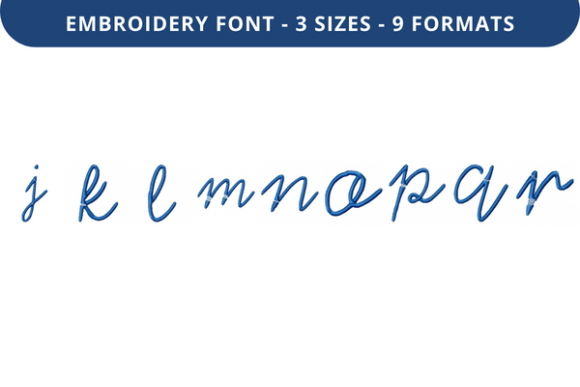
When I first loaded the Melinoe Font J to R file into my digitizing software, the aesthetic immediately stood out. It feels like a blend of modern elegance and playful charm, which is rare for a standard alphabet set. The letterforms are not overly decorative, meaning they retain clarity even when stitched at smaller sizes, yet they possess enough character to elevate a simple tote bag design into a statement piece. For an Etsy seller or boutique maker, this font offers a "premium" feel without looking fussy. It suggests quality craftsmanship, which is essential when competing against mass-produced goods at a handmade market.
The description promises a high-quality embroidery font suitable for names, dates, or quotes on any fabric. In practice, the Melinoe Font J to R delivers on this versatility. Whether I am creating a custom apron embroidery for a home cook or a monogrammed cap for a student, the font adapts well to different contexts. It does not scream "festive" or "rustic," but rather sits comfortably in the "timeless" category, making it a safe bet for repeat sales.
Performance Across Key Product Categories
The true test of any digital embroidery file is how it translates across various textures and product types. Here is how Melinoe Font J to R performs on the items I plan to feature at my booth:
- Tote Bags and Market Bags: On canvas tote bags, this font shines. The sturdy fabric supports the stitch density well, allowing the letters to pop. It is perfect for personalizing bags with names or short inspirational quotes, turning a generic accessory into a unique handmade product.
- Apron Embroidery and Tea Towels: For kitchen textiles, the font's clean lines work beautifully. On a linen apron, Melinoe Font J to R adds a touch of sophistication. However, on textured tea towels, one must be careful with thread tension to ensure the stitches do not sink too deeply into the weave.
- Embroidered Patches and Caps: This is where the font's legibility is crucial. On curved cap surfaces, the letters maintain their shape without distortion. As an embroidered patch, the font creates a crisp outline that looks professional when ironed onto denim jackets or backpacks.
- Pillow Covers and Small Pouches: For home decor, the font acts as a subtle accent. On a small fabric pouch, it serves as a focal point for initials, while on larger pillow covers, it can be part of a more complex layout.
Practical Selling and Production Considerations
For a small shop product line, efficiency is key. The Melinoe Font J to R design is straightforward to understand at a glance, which reduces the time spent on hoop adjustments. It works effectively both as a large focal design on a pillow cover and as a small accent on a cuff or pocket. When photographing these items for online listings, the font photographs exceptionally well. The contrast between the thread colors and the fabric background is sharp, ensuring that the finished product looks just as good in a digital photo as it does in person.
From a batch production standpoint, this font is highly repeatable. Once you have dialed in your settings for a specific fabric weight, you can run multiple units with minimal intervention. This reliability is vital for craft fair sellers who need to produce inventory quickly before the event. The design assets provided allow for easy resizing, giving me the flexibility to create matching sets of products ranging from tiny gift tags to large wall hangings.
Visual Appeal and Customer Engagement
In a crowded booth, visual appeal dictates buyer engagement. The Melinoe Font J to R enhances the perceived value of a product. A plain white t-shirt becomes a $25 item when personalized with this font, whereas a poorly stitched name might only fetch $10. The font contributes to brand consistency; if all my personalized items use this specific style, customers begin to associate that look with my business. It signals attention to detail and care, two factors that drive sales for handmade goods.
Furthermore, the font encourages customization. Customers love seeing their own names or special dates rendered in a beautiful script. By offering Melinoe Font J to R as an option, I can offer on-the-spot personalization services, which significantly increases average order value at a craft fair.
Careful-Use Notes and Technical Challenges
While Melinoe Font J to R is versatile, it is not without its challenges. As an experienced designer, I advise caution in a few specific areas:
- Dense Stitch Areas: If using the font for very long words or dense phrases, check the stitch density. Too many stitches in a small area can cause puckering, especially on lighter fabrics like cotton lawn.
- Small Lettering: While the font is clear, shrinking it too much for tiny labels can result in loss of definition. Always test the minimum size on scrap fabric first.
- Textured Fabrics: On thick towels or heavily textured knits, the thread colors may get lost. Use a heavier stabilizer to ensure the letters sit flat and remain visible.
- Curved Surfaces: On caps, ensure the hoop size matches the curvature of the brim to prevent misalignment.
- Dark Fabric: On dark materials, a single layer of stitching may not provide enough coverage. Consider adding a backing or using a thicker thread weight for better opacity.
Essential Designer Notes for Success
Before committing to a full production run with Melinoe Font J to R, follow these steps to ensure success:
- Test on Scrap Fabric: Never skip the test stitch. Run the design on the exact fabric you intend to sell to check for tension issues.
- Check Thread Contrast: Ensure the thread color stands out against the fabric. High contrast is critical for readability and visual appeal.
- Review Spacing: Adjust the kerning (spacing between letters) based on the length of the word. Some letters in this font may need more room than others to avoid crowding.
- Confirm Hoop Size: Verify that your longest intended text fits within your machine's maximum hoop size without needing to re-hoop mid-design.
- Inspect Stitch Density: Look closely at the digitized file. If areas look too dense, reduce the pull compensation or add jump stitches to relieve tension.
- Use the Right Stabilizer: A tear-away stabilizer works for most woven fabrics, but a cut-away is better for stretchy materials like jersey or fleece.
- Create Real Mockups: Do not rely solely on printable mockup images. Create at least one physical sample to show potential buyers the actual texture and quality.
- Compare Fabric Colors: Test the font on light, medium, and dark fabrics to build a versatile color palette for your shop.
- Confirm Commercial Licensing: Before selling any commercial embroidery products, verify that your license allows for the sale of finished goods. Check the terms provided with the embroidery file download.
Ultimately, Melinoe Font J to R is a strong addition to any crafter's toolkit. It bridges the gap between simple utility and artistic expression, making it ideal for the Back To School season and beyond. With proper testing and attention to detail, this font can transform basic fabric items into sought-after craft fair products that customers will love to take home.